
20 years at the top: How PS leads accounting & payroll service market in Hungary
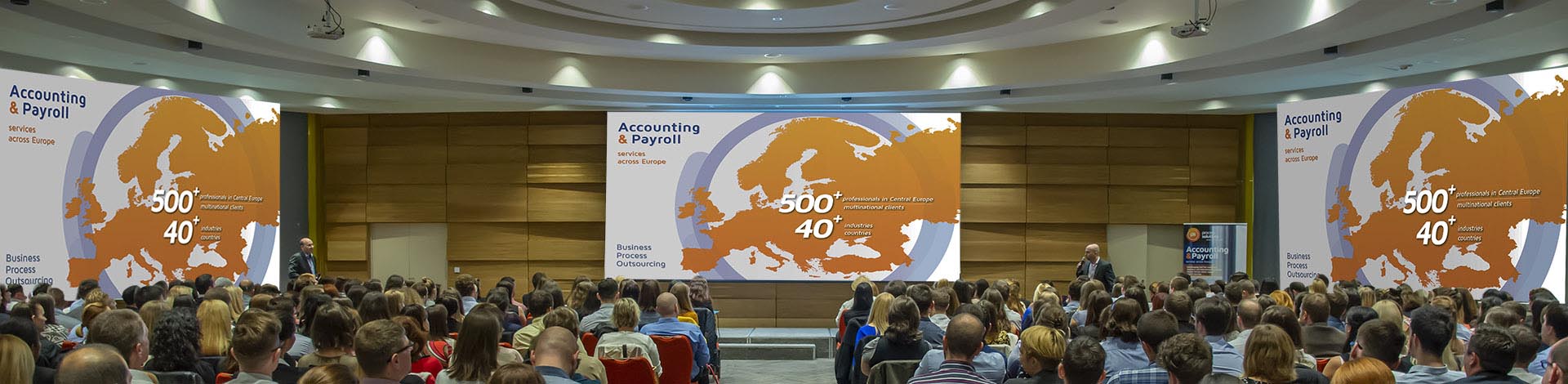
Twenty years at the top, in a market that never stops moving. PS has not simply kept pace with change — we have been one of the forces shaping it. Close to 600 people across four countries, more than 500 clients, and an operating philosophy that is built on lasting professional quality, not short-term revenue maximisation.

How finance operating models evolve as companies scale?
Finance operating models evolve as companies grow — from full outsourcing to hybrid structures combining internal teams, SSCs, and local expertise. Even after centralization, local statutory accounting, tax compliance, and payroll responsibilities remain country-specific. Process Solutions provides scalable finance support that adapts to every stage of this evolution.

Accounting and payroll career paths: How we develop our professionals
How do you build a long-term career as an accountant or payroll specialist? At PS, we support our colleagues’ development with over 15,000 hours of training and 300+ certifications — from digital skills to leadership. We show you what a deliberate career path looks like in practice.

Ecommerce scaling challenges: operations, data and financial complexity
e-Commerce Backstage Hub event: Scaling digital commerce has long been seen primarily as a technology challenge. New platforms, faster checkout experiences and multi-channel expansion have defined growth strategies.

Employment in Poland: costs, compliance, and risk management ‒ Practical Guide, 2026
In the Polish business environment, choosing the right form of employment is a constant balancing act between security and cost optimization. As an HR and payroll outsourcing office, we hear the same question every day: “What should I choose to avoid overpaying while staying safe during a ZUS inspection?”

The phase-out of ÁNYK and the challenges of transition – What businesses need to prepare for
According to the digital transition roadmap of the NAV, the operation of Hungary’s tax return system will undergo fundamental changes in the coming years. One of the most significant developments is that the ÁNYK, which has served taxpayers for nearly two decades, will be discontinued after 31 December 2026. This transition is not merely a technical update; it requires a substantial reconsideration of companies’ compliance processes, making early preparation particularly important.